Wool Scarves
Warm, breathable layers for daily wear.
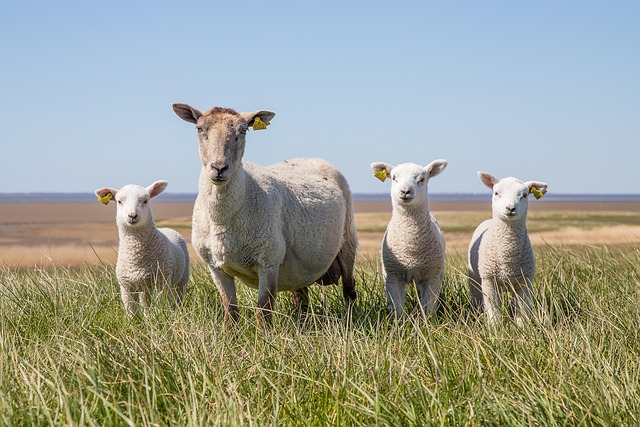
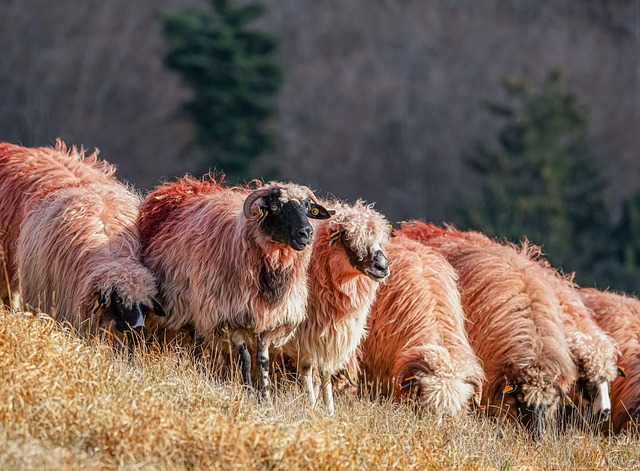

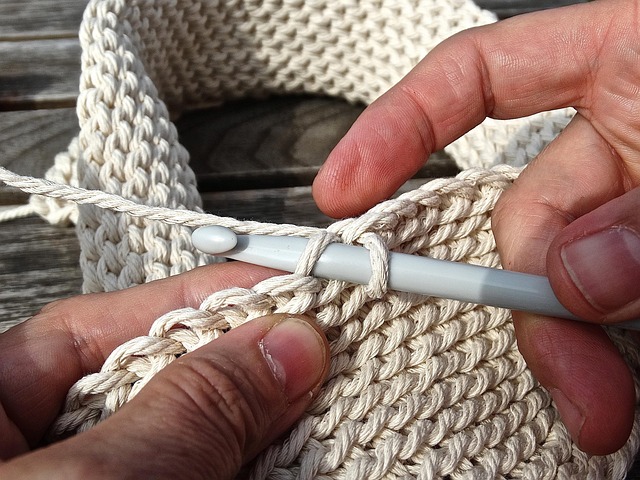
Faloryn is a small sheep farming and wool production operation in Ireland that shares clear information about how wool is grown, handled, and transformed into practical goods. Our site is designed for people who want to understand the difference between fleece grades, yarn weights, and the choices that affect comfort and longevity. You can browse our core product types, see our flock and seasonal farm routines, and learn how sustainability is applied in day to day decisions such as pasture rotation, biodiversity support, and responsible resource use.
We keep language straightforward because wool quality is easier to judge when details are transparent. Instead of making exaggerated claims, we describe how we sort and store fleece, what we prioritize during shearing, and why local processing and careful packaging matter. Whether you knit, wear wool daily, or simply prefer natural fibers, our goal is to help you choose products with a clear origin and a farming approach you can stand behind.
A curated set of wool goods, focusing on everyday wear and maker materials. Each listing explains fiber feel, warmth, and intended use.
View productsMeet the animals behind the fiber. We share photos, seasonal notes, and how welfare practices influence fleece quality.
Explore the flockPractical steps: soil care, habitat support, and measured inputs. Learn what we do, why we do it, and what we are still improving.
Read sustainabilitySimple explanations of scouring, carding, spinning, and care. Useful for knitters and anyone comparing natural fibers.
Learn moreYou will see small floating info boxes throughout the page. They highlight material specs and care notes without covering content. Product details are click to expand so you can scan quickly or read in depth.
Built for clarity: we focus on product relevance, flock transparency, and sustainability context. The goal is to make it easy to understand what you are buying and how it was produced, without confusing marketing language.
Clear descriptions of handling routines, health checks, and seasonal planning that support animal welfare and consistent fleece.
Scarves and yarn are explained using practical criteria such as warmth, drape, care level, and typical use cases for knitters.
Product descriptions expand on demand, keeping the page calm and scannable while still offering depth for careful comparison.
Practical information about pasture care, hedgerows, and reduced waste practices, written for everyday understanding.
The site is arranged so you can move from quick browsing to deeper detail. Each step focuses on clarity: what the product is, how the fiber is produced, and what choices shape the final feel. If you contact us, you will receive a direct reply with practical next steps rather than automated marketing messages.
Start with scarves or yarn and scan the summary cards. Open details only when you want fiber notes, care guidance, and use suggestions.
See photos and notes about the sheep, grazing routines, and seasonal changes that influence fleece character and consistency.
Review the practices we use in Ireland for soil care, water awareness, and reduced waste. We explain tradeoffs in plain language.
Use the contact page to ask about availability, yarn weight, or care needs. We respond by email and can suggest the best fit for your use.
Sections and expanding panels use subtle fade and slide transitions that keep motion gentle. Animations are short and do not distract from reading.
Look for small info callouts near images. They clarify terms like staple length, lanolin, and care level without cluttering the page.
Scarves and yarn are presented in a simple format. Click each item to expand details about feel, care, and typical uses. Descriptions are informational and intended to help you choose responsibly.
Warm, breathable layers for daily wear.
For makers who value natural fiber behavior.
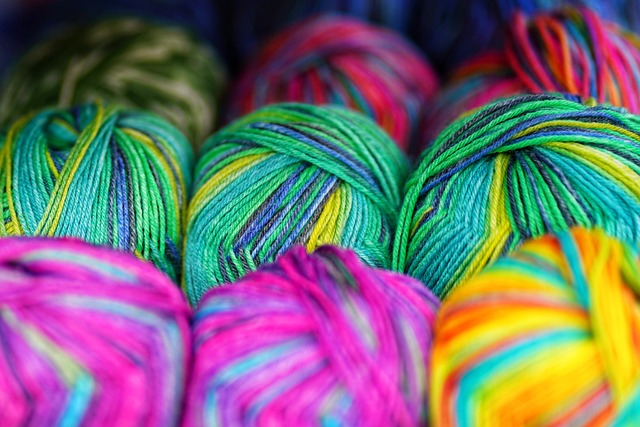
Understand wool feel before you choose.
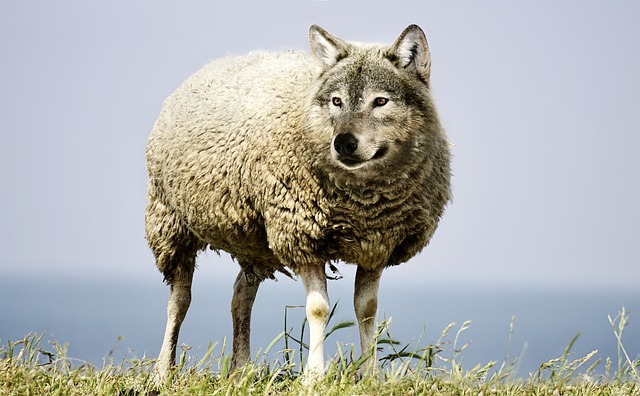
Our flock is the center of everything we do. We aim for calm handling, predictable routines, and pasture time that supports natural behavior. We share photos because seeing animals in their environment helps people understand how wool is grown: grass quality, weather, shelter, and seasonal changes all shape fleece over the year. The goal is not perfection, but responsible care and transparent communication.
The sheep are monitored regularly for health and comfort, and we plan shearing and maintenance to reduce stress. We also pay attention to the practical outcomes: clean fleece, consistent staple, and reduced contamination. Better welfare and better wool usually align when management is thoughtful and steady.
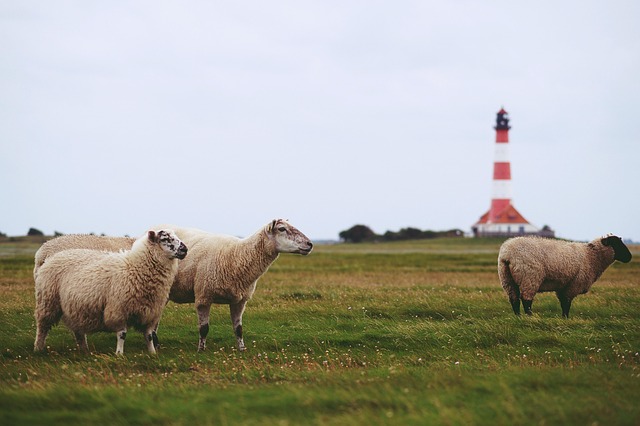
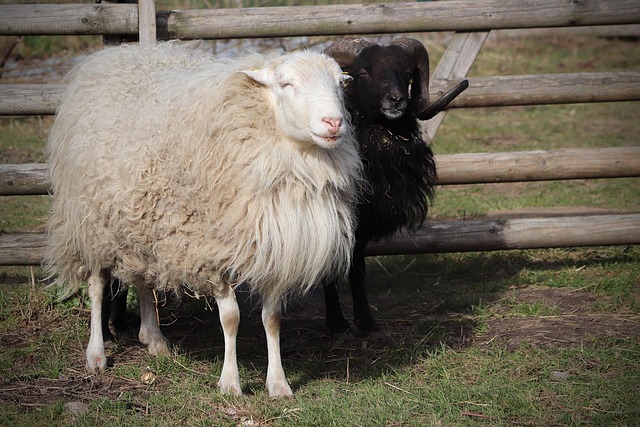
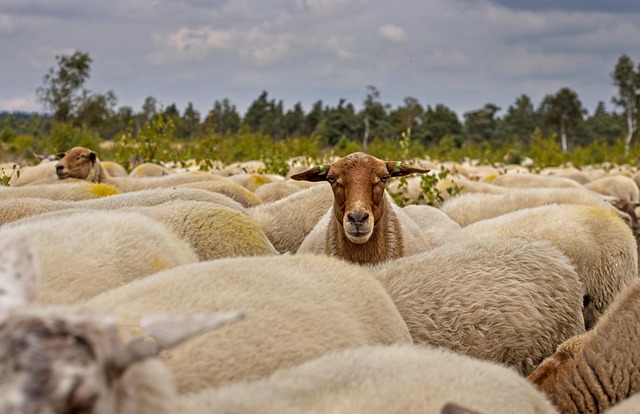
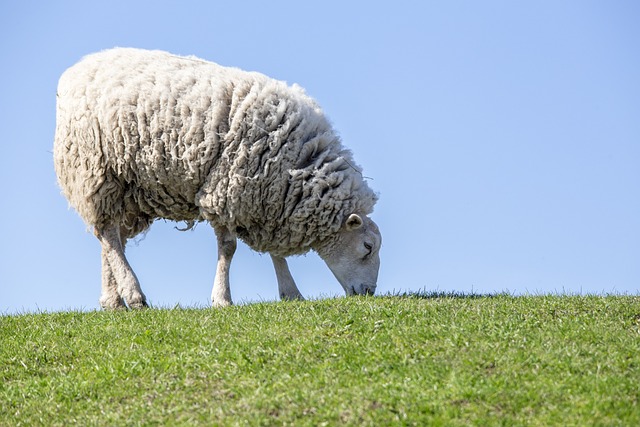
Images are used to show environment and animal condition, not to create unrealistic expectations. If you have a question about wool feel or yarn suitability, contact us for practical guidance.
Sustainability on an Irish sheep farm is practical and local. Weather patterns influence grazing plans, and soil condition influences how many animals a field can support. We focus on maintaining pasture cover through rotation, supporting biodiversity with hedgerows and field margins, and reducing waste in handling and packaging. When we use inputs, we try to measure them rather than apply them broadly, so interventions are targeted and minimal.
We also pay attention to water use, runoff risk, and how storage areas are managed so that farm operations remain tidy and low impact. Sustainability is not a single claim; it is a set of choices that can be checked and improved. On this site, we explain what we do today, what we track over time, and where we still have limits due to infrastructure or seasonal constraints.
Rotating grazing areas helps grass recover, protects ground cover, and supports more consistent forage quality across seasons.
We plan access points and reduce runoff risk through maintenance and sensible field use, especially in wet periods.
Hedgerows and margins provide shelter and food for wildlife, while also helping reduce wind exposure on open ground.
Cleaner sorting and storage reduces unusable fiber. Packaging choices aim for practicality and minimal excess.
We avoid vague sustainability claims. If you want to understand a specific practice, we will explain what it means on the ground and what evidence we use to track progress.
Common questions about wool products, sheep care, and what to expect from natural fibers. If your question is not covered, our contact page is the best place to reach us.
The information on this website is provided for informational and educational purposes related to sheep farming and wool production. It does not constitute veterinary, medical, legal, or financial advice. Farming outcomes and fiber characteristics vary by season, environment, and care practices. Always follow care instructions for textiles, and consult qualified professionals for veterinary concerns or regulatory questions.