How the farm runs
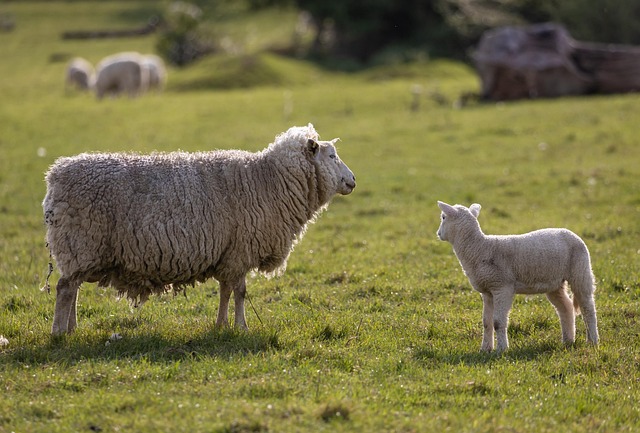
Irish sheep farming is seasonal and weather-led. Pasture quality, rainfall, and ground conditions determine how grazing is rotated, when fields need rest, and when shelter becomes a priority. Our approach emphasizes steady routines that minimize stress: calm movement through gates, short handling sessions, and clear separation between tasks so the flock stays predictable and settled. We track practical indicators such as body condition, coat health, and how animals respond to routine checks.
Welfare is not a marketing phrase for us. It is a framework for decisions that affects the quality of the wool you eventually hold. Healthy animals typically produce more consistent fiber. Clean, dry areas reduce contamination and improve fleece yield. When the farm is managed with care, fewer steps are needed later to correct problems, which also reduces waste.
Pasture planning
Rotation supports grass recovery and helps maintain ground cover. This matters for both animal nutrition and soil structure in wet months.
Shelter and comfort
Hedgerows, wind breaks, and sensible field selection reduce exposure. Comfort helps maintain calm behavior and coat condition.
Routine checks
Regular, non-dramatic checks help identify issues early. Clear routines reduce stress compared to irregular, rushed handling.
Low-stress handling
Calm movement and short sessions are better for the animals and for fleece. Stress can contribute to fiber inconsistency.
From shearing to usable wool
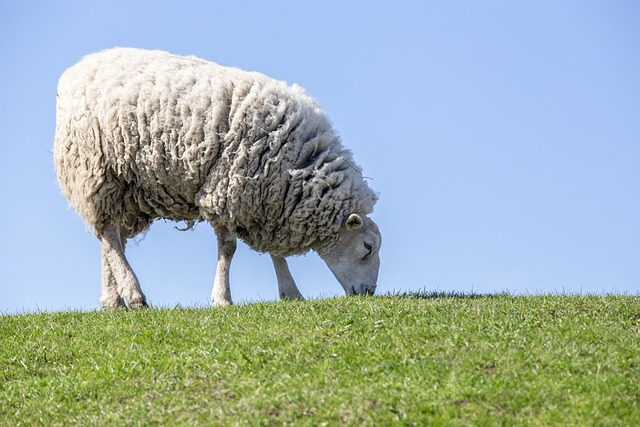
Wool quality is not decided at a single moment. It is shaped by many small steps: keeping fleece cleaner in the field, shearing at an appropriate time, and sorting and storing the fiber carefully afterward. We aim for a process that respects the animal and protects the material. Good handling reduces waste because fewer sections of fleece are lost to contamination or damage.
When we describe wool products, we avoid vague labels and focus on practical outcomes. For example, fiber structure and spinning choices can influence drape in a scarf, stitch definition in a sweater, and the level of care that is realistic for everyday life.
-
1
Seasonal shearing
Shearing is planned around weather and animal comfort. The goal is a clean fleece removal with minimal stress and predictable handling.
-
2
Sorting and skirting
We separate sections that are best for next-to-skin comfort from those better suited to outerwear. This helps match fiber to use.
-
3
Storage and cleanliness
Dry, clean storage reduces odor and protects the fiber. Keeping wool away from damp conditions helps preserve quality.
-
4
Product communication
Product pages use click-to-expand descriptions so you can scan quickly. Expanded panels include care notes and use guidance.
A small change in storage conditions or sorting can affect softness and longevity. We aim to describe these steps so you understand the tradeoffs instead of relying on broad claims.
Our commitments
Commitments are useful only when they are specific. We commit to welfare-first routines, plain-language product descriptions, and a consent-based approach to analytics and advertising. We also commit to ongoing improvements where constraints exist, such as seasonal limits on field access or infrastructure upgrades that take time.
If you are researching ethical wool, we encourage you to ask concrete questions: where the fiber comes from, how it is handled, what care it needs, and what happens to offcuts and waste. We aim to answer those questions directly through site content and through email support.
Ethical husbandry
Calm routines and practical welfare measures shape decisions throughout the year. We describe what that looks like day to day.
Useful descriptions
We explain fiber behavior, warmth, and care level to help you decide what fits your needs without pressure.
Sustainability in context
We share practical practices suited to Ireland: pasture rotation, habitat support, and reduced waste handling.
Consent-based tracking
Analytics and advertising cookies are only intended to activate after consent. You can manage preferences at any time.
If you want help choosing between scarves and yarn, or you have a care question, contact us and we will reply with practical guidance.
Go to contactDisclaimer
The information on this website is provided for informational and educational purposes related to sheep farming and wool production. It does not constitute veterinary, medical, legal, or financial advice. Farming outcomes and fiber characteristics vary by season, environment, and care practices. Always follow care instructions for textiles, and consult qualified professionals for veterinary concerns or regulatory questions.