What sustainability means on a wool farm
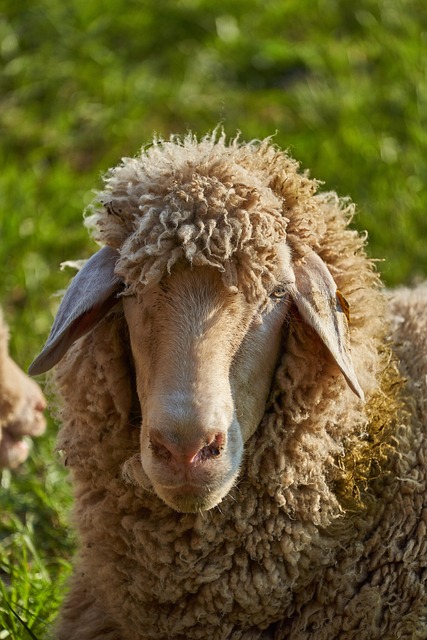
In sheep farming, sustainability is closely tied to how well land and animals are managed over time. For land, the priorities are maintaining grass cover, protecting soil structure, and keeping nutrients where they belong. For animals, welfare-first routines generally support better health outcomes and reduce avoidable interventions. For wool, careful handling reduces contamination, increases usable yield, and lowers the need for harsh processing later.
Ireland adds its own context: frequent rain, variable ground conditions, and strong seasonal growth. This means we plan rotations around field resilience, not just calendar dates. Some weeks call for moving sheep earlier than planned to prevent soil damage. Other weeks allow longer grazing to use peak growth. We document decisions so we can improve the plan year to year.
We describe actions and constraints, not perfect outcomes. When a practice has limits, we explain what is realistic, what is monitored, and what we aim to change over time.
Pasture rotation and rest
Rotational grazing helps prevent overgrazing and reduces soil compaction. We include rest periods so grass can regrow and roots can recover, which supports long-term productivity without forcing the land.
Soil structure protection
In wet weather, soil can be damaged quickly. We adjust grazing pressure, use sacrificial areas only when necessary, and restore fields with careful reseeding and recovery plans.
Hedgerows and field margins
Hedgerows provide shelter for sheep and habitat for birds and pollinators. Field margins reduce erosion risk and create a buffer where ground can stay stable through heavy rain.
Water awareness and runoff
We plan access points and keep high-traffic areas maintained to reduce muddy buildup. When ground conditions are poor, we change routines to protect waterways.
Lower waste wool handling
Wool becomes waste when it is contaminated by excessive vegetable matter, poor storage, or inconsistent sorting. We prioritize clean shearing conditions, immediate bagging, and clear separation by grade. This reduces the portion that cannot be used for yarn or finished products, and it also means less intensive cleaning later. When fiber is not suitable for wearables, it may be directed toward non-wear uses where appropriate, keeping the value of the material in circulation.
Tracking and transparency
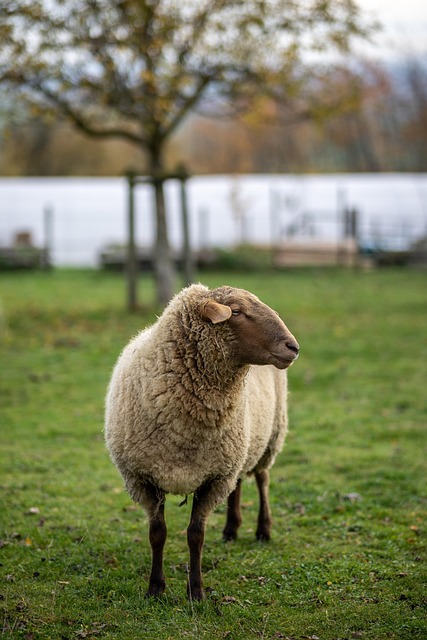
Sustainable farming improves when decisions are recorded and reviewed. We track a small set of practical indicators that connect directly to land condition, animal welfare routines, and wool usability. Tracking does not need to be complicated; it needs to be consistent. By keeping records, we can see patterns such as which fields recover fastest, which weather windows support clean shearing, and where infrastructure changes would reduce waste.
We also believe transparency includes describing what we do not do. For example, we do not present sustainability as an instant result, and we do not claim that any single practice solves all environmental concerns. Instead, we focus on steady improvements that fit Irish conditions and a welfare-first approach to sheep husbandry.
Field notes
Grazing dates, rest periods, and ground condition notes help us spot where adjustments are needed after heavy rainfall or high growth.
Welfare routines
Routine checks, shelter planning, and handling schedules support predictable care. Calm routines often reduce the need for reactive interventions.
Shearing conditions
Clean shearing setups and weather-aware planning help protect fleece quality and reduce contamination that would otherwise become waste.
Storage and handling
Labeled storage and moisture-aware handling protect fiber and reduce spoilage. It also improves traceability across batches.
Throughout the site, small info callouts explain why a practice matters and what it affects, such as soil resilience, fleece cleanliness, or water runoff risk. They are designed to inform without interrupting reading.
FAQ
Short answers to common questions about farm sustainability and wool production. For specifics about a product batch or process detail, contact us directly.
Does sustainable farming mean no interventions at all?
How does pasture rotation help the environment?
What makes wool handling more or less wasteful?
How can I verify what you claim on this page?
Disclaimer
The information on this page is provided for informational and educational purposes related to sheep farming and wool production. It does not constitute veterinary, environmental, legal, or financial advice. Sustainability outcomes can vary due to weather, soil type, and operational constraints. For regulatory guidance or professional assessments, consult qualified specialists.